
PCM does not box people.
We understand you may not have time to read our team’s full PCM profiles, so this page provides a high-level overview to help you understand them.
PCM profiles offer a deeper view than a simple personality snapshot. Grounded in psychology, they reflect both a person’s natural strengths and what motivates them over time.
This overview is designed to give helpful context without going into full detail.
Part 1:
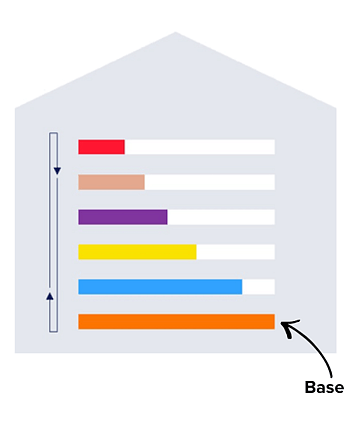
Base Personality = how someone is wired
Everyone has a Base personality type.
This is their foundation and does not change.
A person's base personality tells you:
Their natural strengths
How they think and make decisions
Their preferred communication style
How they generally show up at work
This is the personality type that most strongly shapes who they are on a day-to-day basis.
(Below is a summary of each Base personality type's strengths, please note a person’s Base type doesn’t limit them - it highlights the strengths and style they naturally lean into most.)
Thinker
Logical and organised.
Responsible and reliable.
Plans and structures work.
Works based on logic.
Persister
Dedicated and committed.
Strong values and opinions.
Observant and conscientious.
Harmoniser
Warm and compassionate.
Relationship-focused.
Supportive and empathetic.
Imaginer
Calm and reflective.
Imaginative and conceptual.
Brings thoughtful perspective.
Rebel
Creative, playful and expressive.
Energises others.
Creative problem-solver.
Promoter
Adaptable and persuasive.
Action-oriented.
Handles pressure well.
Drives action and results.
Part 2:
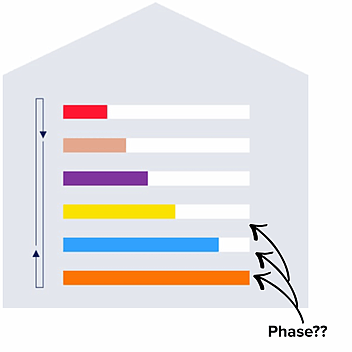
Phase Personality = what motivates them right now
People also have a Phase personality. Their phase may be the same as their Base, or it might be any of the other floors. Their profile will indicate which floor.
This reflects what motivates them at this stage of life and what they need to stay engaged and well.
A person’s Phase tells you:
Their current psychological needs
What helps them stay energised
What happens if those needs aren’t met (stress patterns)
(Below is a summary of each Phase personality type's motivations)
Thinker
Motivated by achievement.
Values clarity, time structure (realistic deadlines) and planning.
Works best with clear expectations.
Persister
Motivated by purpose.
Values making a difference and high standards.
Appreciates recognition for the impact their efforts have made.
Harmoniser
Motivated by genuine connection.
Values care and appreciation.
Imaginer
Motivated by having time and space to think.
Values autonomy.
Rebel
Motivated by interaction and fun.
Values variety.
Appreciates being let to do things their way.
Promoter
Motivated by challenge and complexities.
Values flexibility and opportunity.
Part 3:
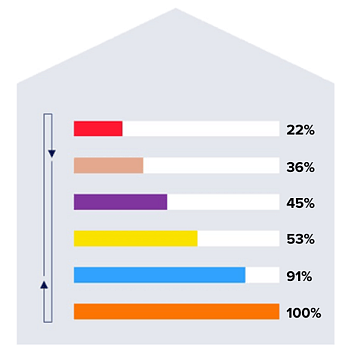
What the floor percentages actually mean
The percentages show how much access someone has to each personality type - because we all have all 6 on board.
A higher percentage:
Means the person can use those traits easily
Does not override their Base or Phase
Does not mean that’s how they are motivated or stressed
For example:
Someone may have a high Harmoniser percentage, meaning they can connect warmly and care about people
But if their Base and Phase are Thinker, their strengths, motivation, and decision-making are still Thinker-led
If that is the case, the Harmoniser floor traits support connection - they don’t define the person’s core drive. The combination of floors are what make us human.
Stronger communication, stronger business.

Boost Productivity
Empower your team to work smarter and achieve results by utilising individual strengths creating actionable results.

Conflict Resolution
Identify communication breakdowns before they escalate and learn how to defuse difficult situations with ease.
Build Meaningful Connections
Create genuine relationships with team members, colleagues, clients, and loved ones.

Strengthen Team Dynamics
Improve morale, motivate and engage your team by recognising their unique needs (hello bottom line improvements)!

Enhance Self-Awareness
Understand your own needs, communication styles, and their impact on others.

Understand your customers
Adapt to resonate with your audience, building loyalty and trust so more leads say yes.

